Tag Archives
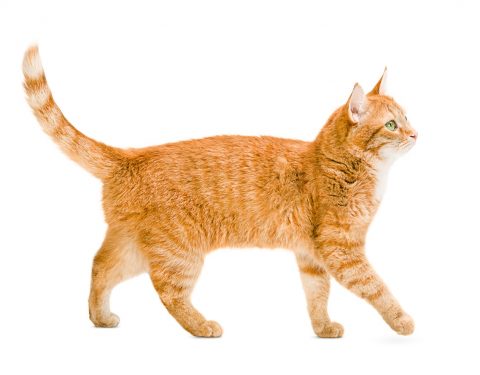
The abdominal tuck is a crucial indicator of your cat's overall health and weight management. This physical characteristic refers to the slight inward curve of a cat’s abdomen, which should be visible when viewed from the side. A pronounced abdominal tuck suggests that your cat is at a healthy weight, while a lack of this feature can indicate obesity or other health issues.
Monitoring your cat's abdominal tuck can help you assess their weight and health more effectively. Regularly checking this feature, alongside other indicators such as body condition score and activity levels, can provide a comprehensive view of your cat's wellbeing. If you notice a significant change in your cat's abdominal tuck, it may be time to consult with a veterinarian for tailored advice.
Achieving and maintaining a healthy weight for your cat involves a combination of proper diet, regular exercise, and consistent monitoring. Start by providing a balanced diet that meets your cat's nutritional needs, and avoid overfeeding or giving too many treats. Establishing a feeding schedule can also help regulate their intake and prevent excessive weight gain.
Incorporating playtime into your cat's daily routine is essential for promoting exercise and maintaining a healthy weight. Engaging your cat with interactive toys or scheduled play sessions can stimulate their natural hunting instincts and keep them active. Additionally, regular weigh-ins can help track progress and ensure your cat remains within a healthy weight range.
Nutrition plays a vital role in managing your cat's weight effectively. Choosing high-quality cat food that is specifically formulated for weight control can help maintain a healthy body condition. Look for options that are rich in protein and low in carbohydrates to support your cat's energy needs while minimizing fat accumulation.
It's also important to understand portion sizes and feeding guidelines provided by the manufacturer. Adjusting the amount of food based on your cat's activity level and weight goals can further aid in managing their weight. Consulting with a veterinarian can provide personalized nutrition advice tailored to your cat's specific needs.
Obesity in cats can lead to a range of serious health issues, including diabetes, arthritis, and heart disease. Recognizing the signs of excessive weight gain is crucial for early intervention. Common indicators include decreased activity levels, difficulty grooming, and a noticeable lack of the abdominal tuck.
Addressing weight-related health issues often requires a multifaceted approach, including dietary changes, increased physical activity, and regular veterinary check-ups. By staying vigilant about your cat's weight and health, you can help prevent these conditions and ensure a longer, healthier life for your feline companion.