Tag Archives
Cat vision is a fascinating subject that highlights the unique adaptations of felines, allowing them to thrive in various environments. Unlike humans, cats have a higher number of rod cells in their retinas, which enhances their ability to see in low light conditions. This adaptation is crucial for their hunting instincts, making them efficient predators during dawn and dusk.
Additionally, the reflective layer behind a cat's retina, known as the tapetum lucidum, amplifies light, further improving their night vision. This biological feature is why cats can see in light levels six times lower than what humans require. Understanding these aspects of cat vision can help pet owners create a better environment for their furry companions.
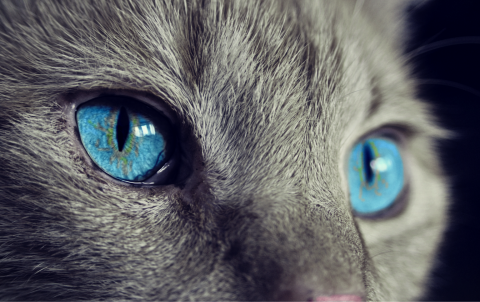
The structure of cat eyes is specifically designed to optimize their visual capabilities. The large cornea and lens allow more light to enter, which is essential for their nocturnal lifestyle. Furthermore, the unique shape of their pupils, which can expand dramatically in low light, plays a significant role in their ability to see in the dark.
Moreover, the position of cat eyes on their heads provides a wider field of view, helping them detect movement from various angles. This anatomical design is not only fascinating but also crucial for their survival, as it enhances their hunting skills and situational awareness.
While cats are often thought to be colorblind, their perception of colors is different from that of humans. They primarily see shades of blue and green, but struggle to distinguish between reds and pinks. This limited color vision does not hinder their ability to navigate their environment effectively.
Research indicates that cats have dichromatic vision, which means they possess two types of color receptors. This allows them to detect movement and contrast better than humans, making them adept at spotting prey even in challenging conditions. Understanding how cats perceive colors can help owners choose toys and environments that stimulate their pets.
Maintaining your cat's vision health is essential for their overall well-being. Regular veterinary check-ups can help identify any potential issues early on, such as cataracts or retinal degeneration. Ensuring your cat has a balanced diet rich in vitamins A and E can also support eye health.
Additionally, providing a safe environment free from hazards can prevent injuries that might affect their vision. Engaging your cat in interactive play can stimulate their eyesight and keep their hunting instincts sharp, promoting both physical and mental health.