Tag Archives
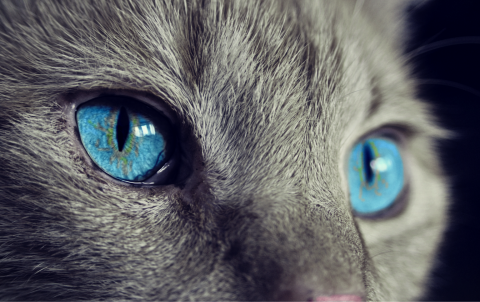
Cat vision is a fascinating subject that reveals how our feline friends perceive the world differently than humans. Their unique eye structure allows them to see well in low light, making them exceptional hunters during dawn and dusk.
For instance, cats have a higher number of rod cells in their retinas, which are responsible for detecting light and movement. This adaptation enables them to see in lighting conditions six times lower than what a human can tolerate, showcasing their evolutionary advantage as nocturnal predators.
While cats are often thought to be colorblind, they do perceive colors, albeit differently than humans. Their vision is primarily adapted for detecting movement rather than distinguishing between a broad spectrum of colors.
Research indicates that cats can see shades of blue and green but struggle with reds and pinks, which may appear grayish to them. This limited color perception is a result of having fewer cone cells, which are responsible for color vision, compared to humans.
The anatomy of cat eyes is specifically designed to enhance their visual capabilities. Key features include their unique pupil shape and the presence of a reflective layer called the tapetum lucidum.
This reflective layer not only improves their night vision by reflecting light back through the retina but also contributes to the characteristic glow of their eyes in low-light conditions. Understanding these anatomical features helps pet owners appreciate the remarkable adaptations of their cats.
Maintaining your cat's eye health is crucial for their overall well-being. Regular check-ups and monitoring for any signs of eye discomfort can help catch potential issues early.
Ensure your cat's environment is free from irritants and provide a balanced diet rich in nutrients that support eye health, such as omega-3 fatty acids and antioxidants. Additionally, regular grooming can prevent debris from accumulating around their eyes, promoting better hygiene and comfort.