Tag Archives
Hydration is crucial for your cat's overall health and well-being. Unlike dogs, cats have a lower thirst drive, which makes them more susceptible to dehydration. Understanding the signs of dehydration and ensuring your cat has access to fresh water can help prevent serious health issues.
Common symptoms of dehydration in cats include dry gums, lethargy, and decreased skin elasticity. Providing wet food, which contains higher moisture content, can also aid in maintaining hydration levels. Regularly monitoring your cat's water intake is essential for their health, especially during hot weather or after physical activity.
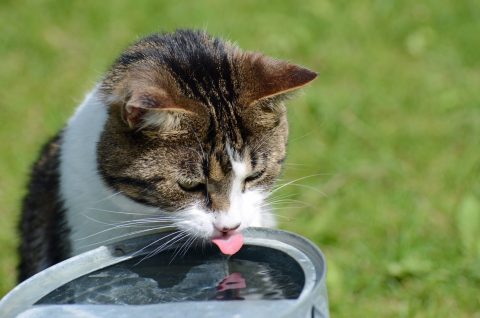
Getting your cat to drink more water can be a challenge, but there are several strategies you can employ. One effective method is to provide multiple water bowls around the house, as cats often prefer to drink from different locations. Additionally, using a cat water fountain can stimulate their interest in drinking.
Another approach is to incorporate wet food into your cat's diet, as it contains significant moisture that contributes to their daily water intake. You can also try flavoring the water with low-sodium chicken broth or offering ice cubes for them to play with and lick, making hydration a more engaging experience.
A balanced diet is essential for your cat's health, and understanding their specific nutritional needs can help you make informed choices. Cats are obligate carnivores, meaning they require a diet rich in animal proteins to thrive. This is especially important when considering their hydration needs, as protein metabolism generates water.
When selecting dry food for your cat, look for high-quality ingredients and ensure it meets the nutritional guidelines set by veterinary associations. Consulting with a veterinarian can provide tailored advice based on your cat's age, weight, and health status, ensuring they receive the right balance of nutrients for optimal hydration and health.
There are several misconceptions surrounding cat hydration that can lead to improper care. One common myth is that cats only need water when they are thirsty, but this can lead to chronic dehydration. It's vital to provide consistent access to fresh water, regardless of their apparent thirst.
Another myth is that feeding dry food exclusively is sufficient for hydration. While dry food can be part of their diet, it’s important to include wet food to help meet their moisture needs. Educating yourself on these myths can help you provide better care for your feline friend and ensure they remain healthy and hydrated.