Tag Archives
Newfoundland Dogs: Care & Nutrition Tips | Gourmet Delight

Tag Archives

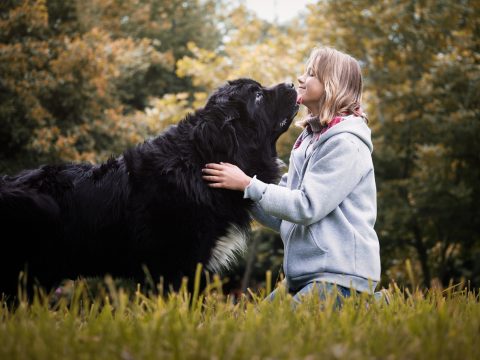
Newfoundland dogs are known for their gentle temperament and impressive size, making them excellent family companions. They are often referred to as "gentle giants" due to their calm demeanor and affectionate nature, which makes them particularly suitable for families with children.
These dogs are not only friendly but also highly intelligent and trainable. Their history as working dogs, particularly in water rescue and as draft animals, showcases their strength and reliability. Proper training and socialization from a young age can help harness their natural instincts and ensure they thrive in a home environment.
Proper nutrition is crucial for maintaining the health and well-being of Newfoundland dogs, given their large size and specific dietary requirements. A balanced diet rich in high-quality protein, healthy fats, and essential vitamins and minerals supports their growth and energy levels.
It is recommended to feed Newfoundland dogs a diet formulated for large breeds, which helps prevent common health issues associated with their size, such as hip dysplasia and obesity. Consulting with a veterinarian can help dog owners determine the best feeding schedule and portion sizes for their individual needs.
Like many large breeds, Newfoundland dogs are prone to certain health issues, which owners should be aware of to ensure their pets lead healthy lives. Conditions such as hip and elbow dysplasia, heart problems, and certain types of cancer are more prevalent in this breed.
Regular veterinary check-ups, a healthy diet, and appropriate exercise can help mitigate these risks. Additionally, being informed about the signs of common health issues can enable owners to seek timely veterinary care, ensuring their Newfoundland remains healthy and happy.
Grooming is an essential aspect of caring for Newfoundland dogs, especially due to their thick, water-resistant coats. Regular brushing helps to prevent matting and reduces shedding, which is particularly important during seasonal changes when they shed more heavily.
Bathing should be done as needed, typically every few months, to maintain coat health and cleanliness. Additionally, owners should pay attention to their dog's ears, nails, and teeth, as proper grooming practices contribute to overall health and hygiene.