Tag Archives
How to Keep Your Cat Hydrated: A Gourmet Delight Guide

Tag Archives

cat hydration
Hydration is crucial for maintaining your cat's overall health and well-being. Unlike dogs, cats have a lower thirst drive, which can lead to dehydration if their water intake is not monitored closely. Understanding the significance of hydration can help you make informed choices about your cat's diet and drinking habits.
Dehydration in cats can result in serious health issues, including kidney disease and urinary tract problems. Providing fresh, clean water at all times, incorporating wet food into their diet, and encouraging them to drink can significantly enhance their hydration levels. Regular veterinary check-ups can also help monitor their hydration status.
Recognizing the signs of dehydration in cats is essential for prompt intervention. Common symptoms include lethargy, dry gums, sunken eyes, and loss of skin elasticity. If you notice these signs, it is crucial to act quickly to prevent serious health complications.
A simple test to check for dehydration is the skin tent test, where you gently pull up the skin on the back of your cat's neck. If the skin does not return to its normal position quickly, it may indicate dehydration. If you suspect your cat is dehydrated, consult your veterinarian for advice on rehydration methods.
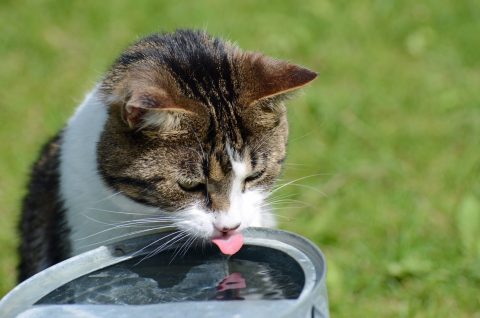
Encouraging your cat to drink more water can be achieved through various strategies. Providing multiple water bowls around the house, using a cat water fountain, or adding water to their food can entice them to hydrate more frequently. Cats often prefer running water, so a fountain can be particularly appealing.
Additionally, experimenting with different types of bowls, such as ceramic or stainless steel, can make a difference. Some cats are sensitive to the taste of water from plastic bowls, which can deter them from drinking. Regularly changing the water and keeping the bowls clean will also help maintain their interest in drinking.
The type of food you feed your cat plays a significant role in their hydration levels. Wet food contains a higher moisture content compared to dry kibble, which can help supplement their water intake. Understanding the differences between these food types can aid in making the best dietary choices for your cat.
While dry food is convenient and can help with dental health, it is essential to ensure your cat has access to ample water. Many pet owners opt for a combination of wet and dry food to balance hydration and nutrition. Consulting with your veterinarian can provide tailored advice based on your cat's specific needs and preferences.