Tag Archives
Gourmet Delight's Eye Health Guide: Cats' Third Eyelid Explained

Tag Archives

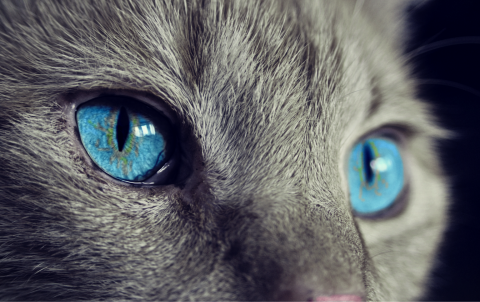
The third eyelid, also known as the nictitating membrane, plays a crucial role in protecting a cat's eyes and maintaining their overall health. This semi-transparent membrane helps to keep the eye moist and shields it from debris, making it an essential feature for feline anatomy.
In addition to its protective function, the third eyelid can also indicate health issues in cats. If a cat's third eyelid is visible or appears swollen, it may signal underlying conditions such as dehydration, infection, or illness. Pet owners should monitor any changes and consult a veterinarian if they notice abnormalities.
Maintaining optimal eye health in cats is vital for their overall well-being and quality of life. Regular check-ups with a veterinarian can help detect potential issues early, ensuring that any necessary treatments are administered promptly.
Common eye problems in cats include conjunctivitis, cataracts, and glaucoma. Understanding the signs of these conditions, such as excessive tearing or squinting, can help cat owners act quickly to seek veterinary care and preserve their pets' vision.
Nutrition plays a significant role in the health of cats, influencing everything from their coat condition to their eye health. A balanced diet rich in essential nutrients supports the immune system and helps prevent various health issues, including those affecting the eyes.
Gourmet Delight offers a range of natural, grain-free pet food options designed to meet the dietary needs of cats. Ensuring that cats receive high-quality nutrition can contribute to their longevity and vitality, making it an important consideration for pet owners.
There are many myths surrounding cat vision that can lead to misunderstandings about how these animals perceive their environment. For instance, it is commonly believed that cats are completely colorblind, but research shows that they can see some colors, particularly in the blue and green spectrum.
Another myth is that cats can see perfectly in total darkness. While they have excellent night vision due to a higher number of rod cells in their eyes, they still require some light to see. Understanding these facts can help cat owners appreciate their pets' unique visual capabilities and care for their needs more effectively.