5 Benefits of Collagen for Cats
Collagen has come to the forefront of the health and supplement sector, for good reason. Collagen contributes towards healthy skin, hair, nails and joints. But it’s not only for humans. Our cats can also benefit from this vital protein, optimising their joint health, skin condition, coat quality and overall vitality throughout their entire lives. Like us, as cats age, their natural collagen production decreases, leading to reduced mobility and dull fur. Adding collagen to their diet will help our feline friends experience the highest quality of life.
What Is Collagen?
Collagen is the most abundant protein in the body, acting as the structural “glue” that holds everything together. It makes up a large portion of connective tissue in the skin, tendons, ligaments, cartilage and bones. In cats, collagen helps with joint flexibility, skin elasticity and even the integrity of the digestive tract. In the absence of sufficient levels of collagen, cell tissue weakens, and the body struggles to repair everyday wear and tear. Let’s dig deeper into the benefits of collagen for cats.
1. Skin Elasticity and Coat Condition
A shiny, healthy coat is often the first visible sign of a cat’s wellbeing. Collagen has been shown to support the structure of the skin, keeping it supple and hydrated. In cats with dry, flaky or sensitive skin, collagen supplementation can improve moisture retention and strengthen the skin barrier, which reduces itching and irritation.
Fur is composed of keratin, and keratin is a protein that depends upon collagen’s amino acids for production. So boosting a cat’s collagen intake will naturally lead to thicker, softer fur with a healthy sheen. Healthier fur is particularly noticeable in long-haired cat breeds. But it isn’t all about looking good. Collagen has a massive impact throughout the body of a cat.
2. Joint Health and Mobility
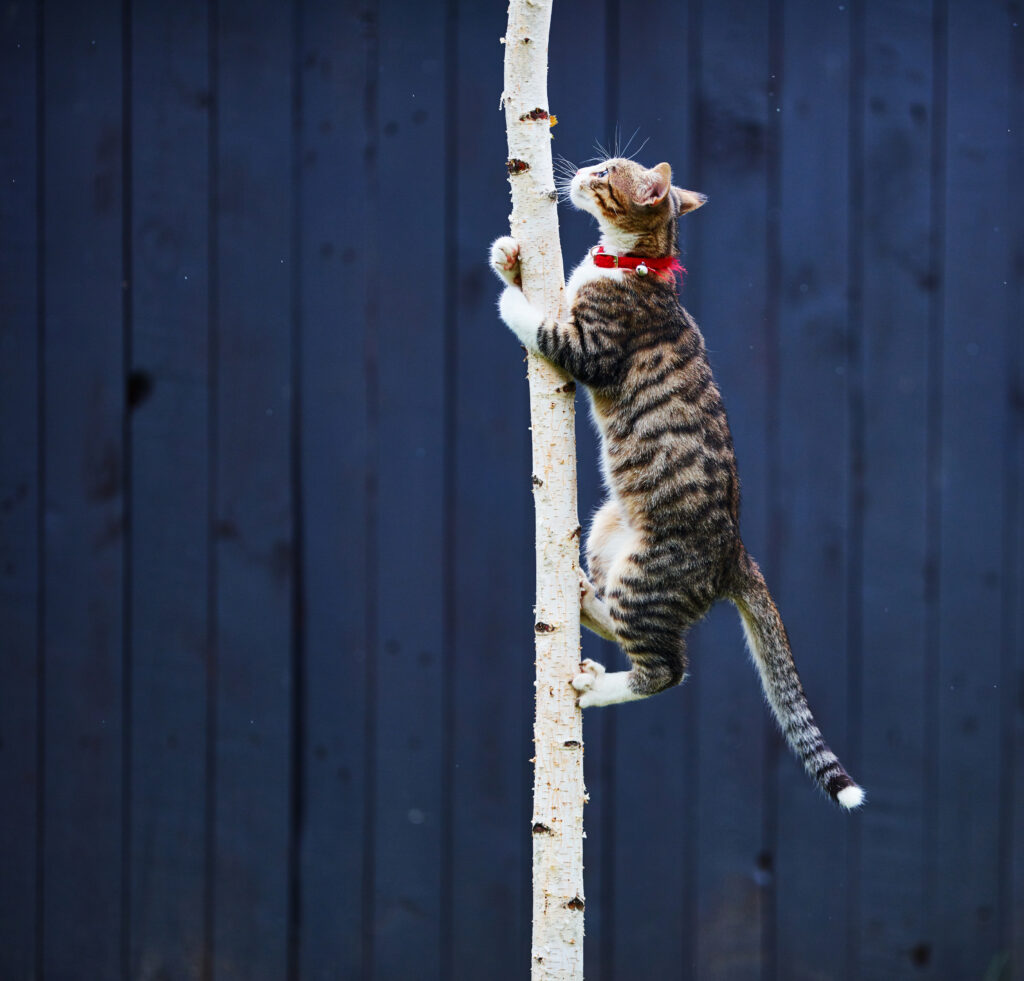
The benefits of collagen are not only skin deep. One of the most well-documented benefits of collagen for cats is its effect on joint health. As cats age, they can start to experience joint stiffness, and some develop arthritis. This is especially true in breeds predisposed to mobility issues or in cats who have been very active, putting their little bodies through the wringer. Collagen supports cartilage and plays a key role in maintaining the smooth movement of joints.
Additionally, the amino acids found in collagen help to reduce inflammation, promote cartilage regeneration and improve flexibility. Studies show that older cats that had become hesitant to jump or climb regained their confidence and agility after several weeks of a collagen-boosted diet. Collagen achieves this through working hand-in-hand with other joint-supporting nutrients such as glucosamine and omega-3 fatty acids.
3. Digestive Health
Collagen also supports the digestive system. The amino acids in collagen, including glycine and glutamine, help strengthen the gut lining and reduce inflammation in the digestive tract. This is particularly helpful for cats with sensitive stomachs or food allergies.
Collagen helps to reinforce the intestinal barrier, potentially preventing leaky gut. A leaky gut allows toxins and undigested food particles to pass into the bloodstream, and can cause an immune reaction. A healthier gut means better nutrient absorption and supported immune system.
4. Muscle and Bone Strength
Collagen is also important for maintaining lean muscle mass and bone density, which decline with age. A big part of cat life is stretching and jumping, for which they rely on a strong musculoskeletal system. The amino acids in collagen help maintain the strength and repair of both muscle and bone, helping cats maintain their agility.
Strength and tissue repair are especially beneficial for seniors and for injury recovery. Alongside exercise and the inclusion of other nutrients that make up a balanced diet, collagen helps preserve mobility and reduce the risk of frailty as cats age.
5. Wound Healing and Tissue Repair
Because collagen is a structural protein, it plays a major role in healing. Collagen promotes new cell growth and tissue formation, helping wounds heal faster. Cats eating a complete diet that includes collagen can recover more quickly from surgery or injuries like cuts, scratches and skin irritation.
Adding Collagen to Your Cat’s Diet
Collagen can be introduced through natural food sources or supplements. If your cat has a sensitive tummy, as with any diet, make it a gradual process, adding a fraction of a new food along with the old, in creasing it as it is tolerated.
Bone broth is another rich source of collagen, minerals and amino acids. However, it’s vital you choose a cat-safe bone broth that does not contain onions, garlic, salt or any other ingredients that are toxic to cats.
Look for hydrolysed collagen, which is activated and easier for cats to digest and absorb. When eaten consistently, it should take anywhere from two to six weeks to begin seeing the benefits of collagen in your cat.
The Final Word
Collagen can help our cats as much as it can help us. Boosting your cat’s diet with collagen will help them stay healthy, active and vibrant, which means a happy feline companion. From new kitten to treasured senior, collagen plays a vital role in promoting the best long-term cat health and wellbeing, helping your cat look and feel their best from the inside out.
Read 8 Ways to Give Your Cat the Best Digestive Support