Tag Archives
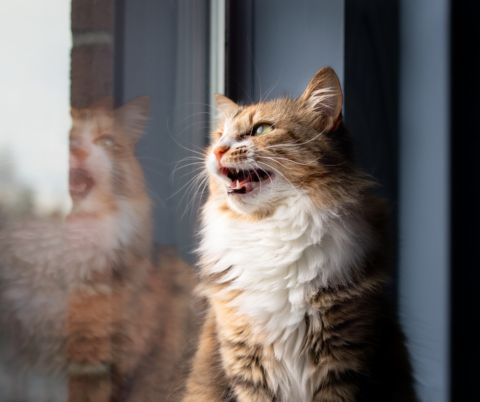
Many cat owners have observed their pets behaving unusually when they see birds. This behavior can include intense staring, twitching tails, and the distinctive chirping sounds that often accompany these moments. Understanding why cats exhibit these behaviors can enhance the bond between pet and owner, as it provides insight into their natural instincts.
Cats are instinctive hunters, and their reactions to birds are rooted in their predatory nature. For instance, the chirping sound, often referred to as "chattering," is believed to mimic bird calls, potentially as a way to lure them in. Observing these behaviors can also help owners create enriching environments that cater to their cats' natural instincts, such as providing climbing spaces or interactive toys.
If your cat spends a lot of time watching birds, it’s essential to manage this behavior to ensure their well-being. Providing distractions, such as toys or engaging playtime, can help channel their energy away from the window. Additionally, creating a safe space where they can observe birds without stress can enhance their experience.
Consider setting up a bird feeder outside your window to entertain your cat without direct access to the birds. This setup allows for safe observation and can provide mental stimulation. Moreover, rotating toys regularly can keep your cat engaged and reduce their fixation on watching birds, promoting a healthier lifestyle.
Nutrition plays a crucial role in a cat's overall behavior and health. A balanced diet, such as the gourmet options provided by Gourmet Delight, can influence energy levels, mood, and even behavior patterns. Ensuring that your cat receives the right nutrients can lead to a more content and less anxious pet.
For example, diets rich in protein can support a cat's natural hunting instincts, while omega fatty acids can improve skin and coat health, contributing to their overall well-being. Consulting with a veterinarian about your cat's dietary needs can help tailor a nutrition plan that supports their behavior and health, ensuring they thrive in their environment.
Cats communicate through a variety of vocalizations, body language, and behaviors. Understanding these forms of communication, particularly in relation to their interactions with birds, can help owners respond appropriately to their pets' needs. This knowledge fosters a deeper connection and enhances the pet-owner relationship.
For instance, a cat's chirping can indicate excitement or frustration, depending on the context. Learning to interpret these signals allows owners to provide better care and create an environment that satisfies their cat's instinctual behaviors. Engaging with your cat during these moments can also reinforce positive interactions and strengthen your bond.