Tag Archives
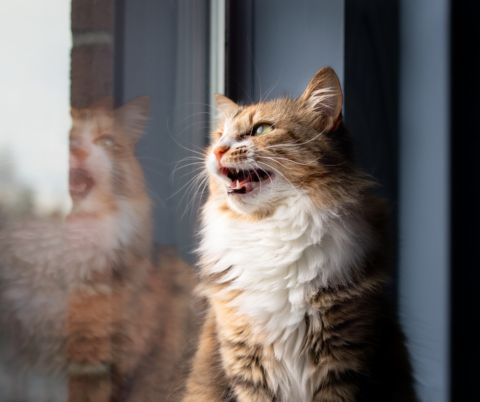
Understanding how cats behave around birds is essential for pet owners who want to ensure the safety of both their pets and local wildlife. Cats are natural hunters, and their instinctual behavior can vary widely, from playful curiosity to predatory stalking. Observing your cat's body language can provide insights into their intentions, whether they are simply watching or preparing to pounce.
For instance, a cat that is intensely focused on a bird may exhibit behaviors such as crouching low, twitching its tail, or making chattering sounds. These signals indicate excitement and a strong predatory drive. By recognizing these behaviors, pet owners can take proactive steps to manage their cat's interactions with birds, ensuring a harmonious environment for both.
Proper nutrition is crucial for maintaining a cat's overall health and behavior. A well-balanced diet not only supports physical health but also influences a cat's energy levels and mood, which can affect their interactions with other animals, including birds. Understanding your cat's dietary needs is essential for promoting optimal health and well-being.
For example, a diet rich in protein is vital for a cat's muscle development and energy levels, enabling them to engage in natural behaviors. Additionally, incorporating essential fatty acids can improve coat health and skin condition, which can enhance your cat's overall disposition. Ensuring your cat receives the right nutrients will help them thrive and maintain a playful, curious nature.
Protecting local bird populations from domestic cats is an important responsibility for pet owners. Cats are instinctive hunters, and without proper management, they can pose a significant threat to wildlife. Implementing strategies to keep your cat indoors or supervised outdoors can help mitigate this risk.
For instance, providing enrichment activities inside the home, such as interactive toys or climbing structures, can satisfy your cat's hunting instincts while keeping them away from birds. Additionally, using collars with bells can alert birds to a cat's presence, giving them a chance to escape. By taking these measures, pet owners can help protect birds while ensuring their cats remain happy and engaged.
Creating a stimulating indoor environment is key to keeping your cat entertained and mentally stimulated, especially when they cannot roam freely outdoors. Cats thrive in environments that provide opportunities for play, exploration, and safe observation of wildlife, such as birds.
Incorporating elements like cat trees, scratching posts, and window perches can enrich your cat's indoor experience. These features allow cats to climb, scratch, and observe their surroundings, satisfying their natural instincts. Additionally, rotating toys and introducing new activities can keep your cat engaged and reduce boredom, ultimately leading to a happier and healthier pet.
Understanding how cats behave around birds is essential for pet owners who want to ensure the safety of both their pets and local wildlife. Cats are natural hunters, and their instinctual behavior can vary widely, from playful curiosity to predatory stalking. Observing your cat's body language can provide insights into their intentions, whether they are simply watching or preparing to pounce.
For instance, a cat that is intensely focused on a bird may exhibit behaviors such as crouching low, twitching its tail, or making chattering sounds. These signals indicate excitement and a strong predatory drive. By recognizing these behaviors, pet owners can take proactive steps to manage their cat's interactions with birds, ensuring a harmonious environment for both.
Proper nutrition is crucial for maintaining a cat's overall health and behavior. A well-balanced diet not only supports physical health but also influences a cat's energy levels and mood, which can affect their interactions with other animals, including birds. Understanding your cat's dietary needs is essential for promoting optimal health and well-being.
For example, a diet rich in protein is vital for a cat's muscle development and energy levels, enabling them to engage in natural behaviors. Additionally, incorporating essential fatty acids can improve coat health and skin condition, which can enhance your cat's overall disposition. Ensuring your cat receives the right nutrients will help them thrive and maintain a playful, curious nature.
Protecting local bird populations from domestic cats is an important responsibility for pet owners. Cats are instinctive hunters, and without proper management, they can pose a significant threat to wildlife. Implementing strategies to keep your cat indoors or supervised outdoors can help mitigate this risk.
For instance, providing enrichment activities inside the home, such as interactive toys or climbing structures, can satisfy your cat's hunting instincts while keeping them away from birds. Additionally, using collars with bells can alert birds to a cat's presence, giving them a chance to escape. By taking these measures, pet owners can help protect birds while ensuring their cats remain happy and engaged.
Creating a stimulating indoor environment is key to keeping your cat entertained and mentally stimulated, especially when they cannot roam freely outdoors. Cats thrive in environments that provide opportunities for play, exploration, and safe observation of wildlife, such as birds.
Incorporating elements like cat trees, scratching posts, and window perches can enrich your cat's indoor experience. These features allow cats to climb, scratch, and observe their surroundings, satisfying their natural instincts. Additionally, rotating toys and introducing new activities can keep your cat engaged and reduce boredom, ultimately leading to a happier and healthier pet.