Category Archives
Gourmet Delight Cat Care Archives: Nutrition, Hydration & Behaviour


Category Archives

Proper nutrition is essential for maintaining a cat's health and well-being. Cats are obligate carnivores, which means their diet must primarily consist of meat to meet their nutritional needs. This understanding helps pet owners select appropriate food that supports their cat's overall health.
High-quality cat food should contain essential nutrients, including proteins, fats, vitamins, and minerals. For instance, taurine is a vital amino acid found in meat that supports heart function and vision. By being informed about feline nutrition, owners can make better dietary choices that enhance their cat's quality of life.
Like any pet, cats can experience a variety of health issues throughout their lives. Common ailments include dental disease, obesity, and kidney problems, which can significantly impact their quality of life. Being aware of these issues allows pet owners to seek timely veterinary care and implement preventive measures.
Regular check-ups and vaccinations are crucial for early detection of health problems. Additionally, observing your cat's behavior and physical condition can help identify potential issues before they escalate. For example, sudden weight loss or changes in appetite can be signs of underlying health concerns that require immediate attention.
Providing a safe and stimulating environment is essential for a cat's happiness and well-being. Cats are naturally curious creatures that thrive in spaces where they can explore, climb, and play. Creating a cat-friendly home enhances their quality of life and reduces behavioral issues.
Incorporating elements such as scratching posts, climbing trees, and interactive toys can keep your cat engaged and mentally stimulated. Additionally, ensuring that potential hazards are out of reach, such as toxic plants and small objects, contributes to a safer living environment for your feline friend.
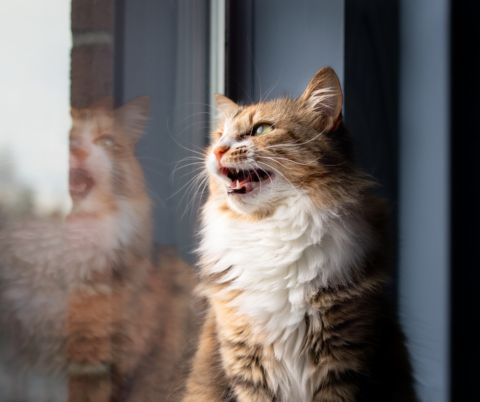
Understanding feline behavior is key to building a strong bond with your cat. Cats communicate through a variety of vocalizations, body language, and behaviors that convey their feelings and needs. By learning to interpret these signals, owners can respond appropriately to their cat's needs.